Common Workplace Injuries in Philadelphia
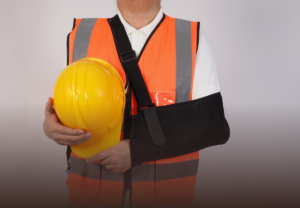
Workplace injuries happen in every kind of job. Construction workers, warehouse employees, healthcare staff, delivery drivers, office workers, restaurant employees, and manufacturing workers can all suffer injuries that affect their health, income, and ability to keep working. Pennsylvania workers’ compensation generally covers injuries caused or aggravated by employment from the first day on the job, which makes it important to recognize when a workplace injury may give rise to a claim.
Some work injuries happen in a single accident. Others develop over time because of repetitive strain, heavy lifting, constant standing, or repeated physical stress. In either situation, injured workers often make the same mistake: they wait too long to report the injury or, assume it is not serious enough to matter. Under the Pennsylvania Workers’ Compensation Act, employees have 21 days following a work injury to report it in order to get compensation from the first day of their disability, or 120 days in order to preserve the claim.
Here are some of the most common workplace injuries seen in Pennsylvania and why they can create serious workers’ compensation issues.
Sprains, strains, and tears
Sprains, strains, and tears are among the most common workplace injuries. Nationally, the Bureau of Labor Statistics reported 568,150 cases involving sprains, strains, and tears that resulted in days away from work in 2024. These injuries often affect the back, shoulders, knees, wrists, and neck. They can happen from lifting, pulling, pushing, twisting, carrying heavy materials, or even repeating the same motion over and over.
These types of injuries can affect workers in hospitals, warehouses, construction sites, delivery drivers, in an office settings or, even in a retail environments. A back strain may not sound serious, but it can keep someone out of work for weeks or longer. Shoulder injuries and torn ligaments can lead to extensive treatment, lost wages, and disputes over work restrictions.
Back injuries
Back injuries deserve special attention because they are so common and so disruptive. BLS reported 248,180 2024 cases involving the back among days-away-from-work. Back injuries may result from a single lifting incident, a fall, repetitive bending, or years of physical labor.
These workers’ compensation claims can be complicated. Employers and insurance companies may argue that the worker had a preexisting condition or, that the injury did not happen the way it was reported. Pennsylvania workers’ compensation can still apply when a work incident causes or aggravates a prior condition, regardless of an employee’s pre-injury state.
Slips, trips, and falls
Slips, trips, and falls are another major source of workplace injuries. BLS reported 479,480
days-away-from-work cases involving falls, slips, and trips in 2024. These incidents remain one of the most common ways workers get hurt across various industries.
Slip and fall risks can show up in all kinds of workplaces, including loading docks, kitchens, office buildings, hospitals, warehouses, sidewalks near job sites, and construction areas. Wet floors, uneven surfaces, cluttered walkways, bad lighting, loose cords, ice, and missing safety protections can all contribute to serious injuries. Falls can lead to fractures, head injuries, back injuries, and long recovery periods. OSHA also notes that slips, trips, and falls continue to be a major workplace hazard.
Repetitive stress injuries
Not every workplace injury comes from one obvious accident. Repetitive stress injuries develop over time and are often underestimated at first. Repeated typing, lifting, scanning, gripping, reaching, bending, or using tools can lead to conditions involving the hands, wrists, elbows, shoulders, and back.
These injuries are common in office jobs, healthcare settings, warehouse work, manufacturing, and service positions. Workers may ignore symptoms until pain, numbness, or weakness begins interfering with daily tasks. By then, the condition may be much harder to treat, and easier for an insurer to challenge.
Injuries caused by overexertion
Overexertion is one of the leading causes of work-related injuries. BLS has identified overexertion and bodily reaction as one of the most common workplace event categories, including injuries tied to lifting, bending, twisting, reaching, and other physical strain.
This issue cuts across nearly every industry. A nurse transferring a patient, a delivery driver unloading packages, a laborer carrying materials, or a retail worker stocking inventory can all suffer a significant injury without falling or being struck by anything. These claims are often serious even when there is no significant, triggering event.
Struck-by and caught-in injuries
Some jobs involve a higher risk of being struck by objects or caught in machinery, equipment, or materials. OSHA identifies struck-by hazards such as flying, falling, swinging, and rolling objects, and also separately describes caught-in or caught-between incidents involving machinery, trenching, or crushing hazards.
These injuries are especially relevant in construction, warehousing, shipping, manufacturing, and industrial settings. They can cause broken bones, crush injuries, amputations, head trauma, and other life-changing harm. Many jobs put workers at risk for these kind of serious injuries every day.
Warehouse and forklift-related injuries
Warehouse work is physically demanding and often fast-paced. OSHA’s warehouse safety guidance highlights hazards involving forklifts, improper stacking, lack of protective equipment, and failure to follow lockout and other safety procedures.
Warehouse, logistics, and delivery work continue to be a major part of the regional economy. Common injuries in these settings include back injuries, falls, struck-by incidents, crush injuries, and repetitive stress problems from lifting and moving products all day.
Healthcare worker injuries
Healthcare workers frequently face lifting injuries, slip and fall injuries, and even violence-related injuries. BLS research on registered nurses found that overexertion and bodily reaction were the leading event category, with falls, slips, and trips also representing a significant share of injuries.
Nursing home staff, home health aides, and other healthcare workers involve job duties that require physically moving patients, standing for long hours, and reacting quickly in stressful situations. These are exactly the kind of situations where workers’ compensation claims can arise.
Construction injuries
Construction workers face some of the most serious job-related injury risks. BLS spotlight data on construction laborers found that falls, slips, and trips accounted for 35.3% of workplace deaths within construction and extraction occupations in 2020, with falls to a lower level being especially significant.
Even when a construction injury is not fatal, it can be severe. Falls from ladders, scaffolds, roofs, and elevated surfaces can cause broken bones, spinal injuries, traumatic brain injuries, and long-term disability. Construction workers may also suffer struck-by, caught-in, and lifting-related injuries.
Why these injuries matter in workers’ compensation claims
A workplace injury can do more than cause pain. It can interrupt your income, limit your ability to return to work, and create disputes over medical treatment and benefits. Banks Law focuses on representing these claims in Pennsylvania. Sonny Banks’ bio confirms that he has practiced extensively in Pennsylvania workers’ compensation since 1985, and is a certified workers’ compensation specialist.
Conclusion
Common workplace injuries in Pennsylvania include sprains and strains, back injuries, slip and falls, repetitive stress injuries, overexertion injuries, struck-by incidents, warehouse injuries, injuries suffered by healthcare workers, and construction injuries. Some heal quickly. Others can affect your ability to work for months or longer.
When a work injury starts affecting your health, your paycheck, or your ability to do your job, it is worth talking to an attorney who limits their practice to representing injured workers in order to protect your rights.